Why Leaders Should Care About IT Compliance
IT compliance can influence contract wins, customer confidence and business value. Explore five commercial reasons leadership should stay involved, with an engineer’s perspective on the practical work behind effective governance, risk and compliance.

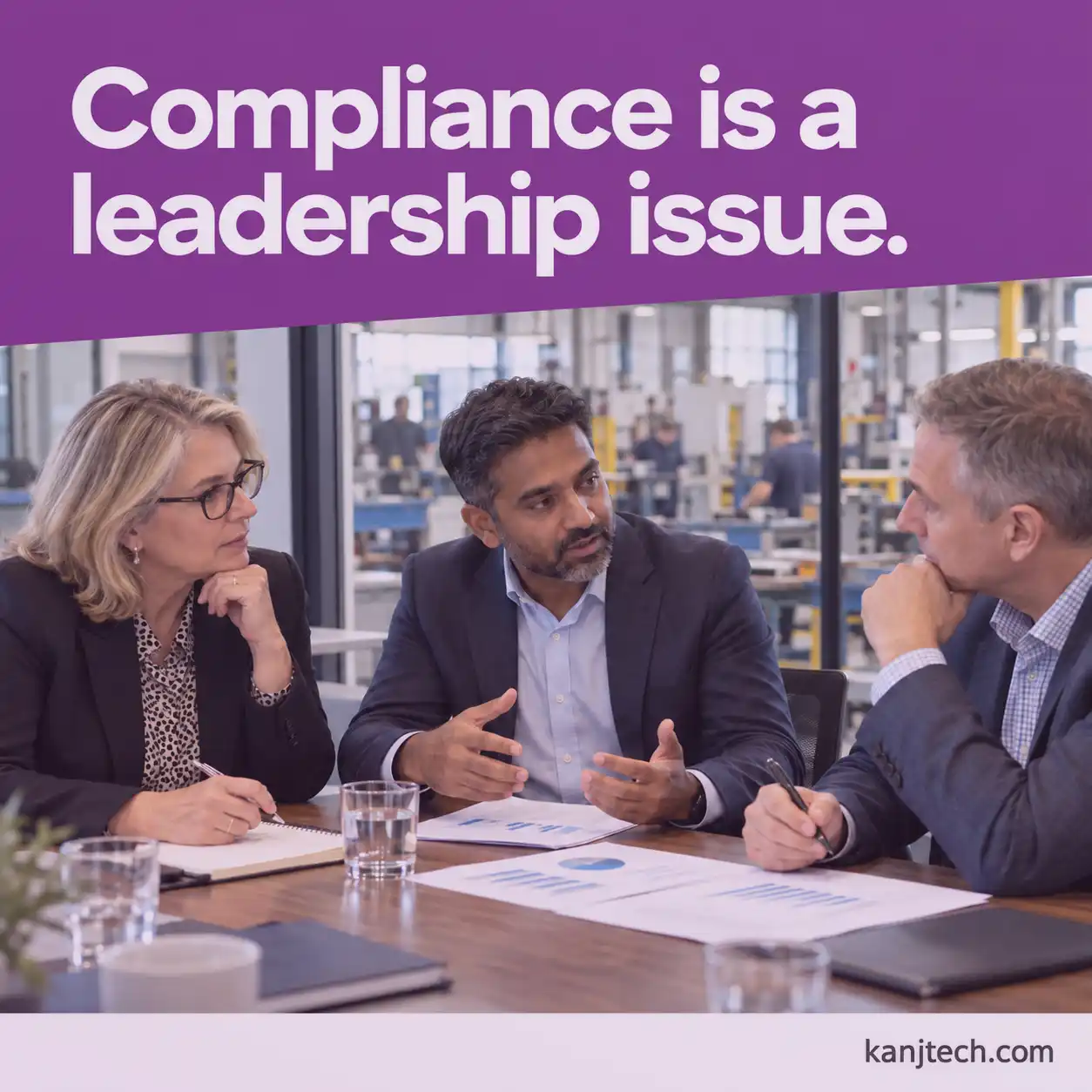
Compliance can affect your ability to win contracts, retain customer confidence and secure the value you expect when selling your business. Its consequences extend well beyond the IT department.
IT teams and advisers can put controls in place, test them and document the results. Leadership must decide what level of risk the business can accept, approve the necessary investment and ensure the work continues.
Five commercial considerations make that involvement worthwhile:
1. Meeting procurement requirements
Larger customers often ask suppliers to demonstrate how they manage security, data protection and governance. Even a competitive offer can struggle to progress if the supporting evidence is incomplete or difficult to provide.
2. Supporting customer confidence
ISO 27001 and Cyber Essentials Plus can provide independent assurance about relevant controls within their assessed scope. Their usefulness depends on what customers require, what the assessment covers and whether those controls are maintained after certification.
3. Keeping insurance disclosures accurate
Cyber insurance applications and renewals need to describe the safeguards the business actually has in place. Leadership should understand the policy conditions and any gaps that need attention. Certification alone does not guarantee a lower premium or a successful claim.
4. Explaining decisions after an incident
After a serious incident, questions rarely stop at the immediate cause. Customers, insurers and regulators may examine what protection was in place, how known weaknesses were handled and whether the business had prepared a workable response.
5. Reducing uncertainty during due diligence
Compliance gaps discovered during a sale or investment can mean delays, unexpected work and pressure on the agreed price. Clear records of how risks have been managed give a prospective buyer a firmer basis for assessing the business.
From an engineering perspective, this depends on consistent, practical work. Someone needs to own each control, check that it still works and keep the evidence current. Changes to systems, staff or suppliers can all create gaps that need addressing.
At KanjTech, we help leadership teams understand those gaps and carry out the IT and security improvements needed to address them, connecting governance, risk and compliance with the day-to-day operation of the business.